
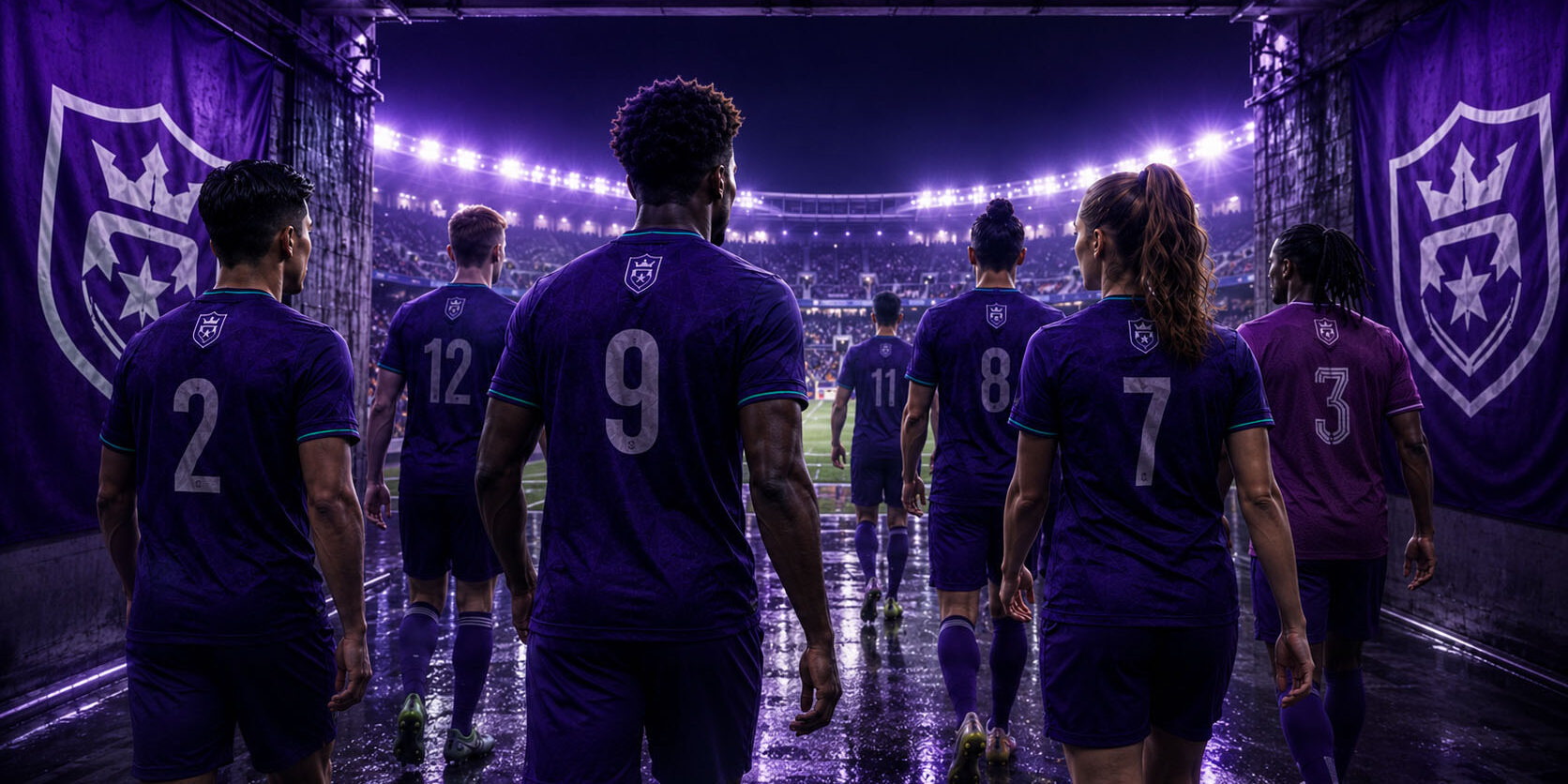
National teams don’t let players design their own jerseys. Nobody shows up to a match in a kit they whipped up the night before because they “had a vision.” There’s one crest, one kit, one set of colors, and every player wears it exactly the same way, from the captain to the last sub off the bench.
Somehow, most companies don’t hold their brand to that same standard.
The Fouls Nobody Whistles For
Walk into most marketing or brand teams and you’ll hear the same lines on repeat:
“Can someone send me the logo?”
“I think this is version 17_FINAL_v4_FINAL2.”
“I only have the PNG.”
“Can I just screenshot it?”
Funny when you say it out loud. Expensive when it’s actually happening across twelve departments, four agencies, and a Slack channel nobody archives. Every outdated logo that sneaks into a deck, every blurry image dragged off a five-year-old folder, every rogue font some new hire picked because it “felt right” — those aren’t small mistakes. They’re fouls. And in a sport that takes its rules seriously, fouls get cards. In branding, they usually just get ignored until the damage is already public.
Brand Guesswork Is a Losing Strategy
Here’s the uncomfortable part: none of this happens because people don’t care. It happens because they don’t have anywhere to look. If the only “source of truth” for your brand is a shared drive with fourteen folders named some version of “Final,” you haven’t built a brand system — you’ve built a scavenger hunt, and you’re asking your whole organization to play it under deadline pressure.
National teams solve this before it becomes a problem. Every player, every match, every market — same crest, same standards, no exceptions, no one freelancing their own version of the badge. That consistency isn’t an accident. It’s a system. Someone owns it, everyone can find it, and nobody has to guess.
One Source of Truth Changes the Game
This is the entire idea behind Brandworkz: give every team — marketing, sales, design, agencies, regional offices — one trusted home for the logos, imagery, templates, and guidelines that are actually approved. Not the version someone saved to their desktop in 2022. Not the screenshot from a slide someone forwarded three times. The real thing, always current, always accessible.
When that exists, the conversation changes. Nobody’s asking which file is final, because there’s only one. Nobody’s using a blurry export, because the high-res original is one click away. Nobody’s inventing a font because they didn’t know the guidelines existed. The guesswork disappears, and what’s left is a brand that shows up the same way everywhere, the same way a national team shows up in the same crest whether they’re playing at home or fifteen time zones away.
Play Like You Mean It
Outdated logos, low-res images, off-brand decks, random fonts — pick any one of these and you can probably think of the exact moment it happened at your organization. That’s not a knock on your team. It’s what happens by default when there’s no single, trusted place for brand assets to live.
Great teams don’t leave that to chance, and great brands shouldn’t either. Give everyone one home for what’s approved, and you stop playing defense against your own inconsistency.
One platform. One source of truth. Every team creating with confidence.